Interview: Learning German for Work and Integration in Vienna #5
Learning German for work in Vienna is one of the biggest challenges for international professionals who want to integrate and
Learning German for work in Vienna is one of the biggest challenges many international professionals face when they move to Austria. Even with a good job opportunity, daily communication, meetings, and social integration can quickly become difficult without German.
Antonio moved from Spain to Austria because of his career. After first living in Linz, he decided to relocate to Vienna, where he found better professional and social opportunities. Working in digital sales in the e-commerce field, German quickly became essential for his everyday work life — especially understanding colleagues, meetings, and the local working environment.
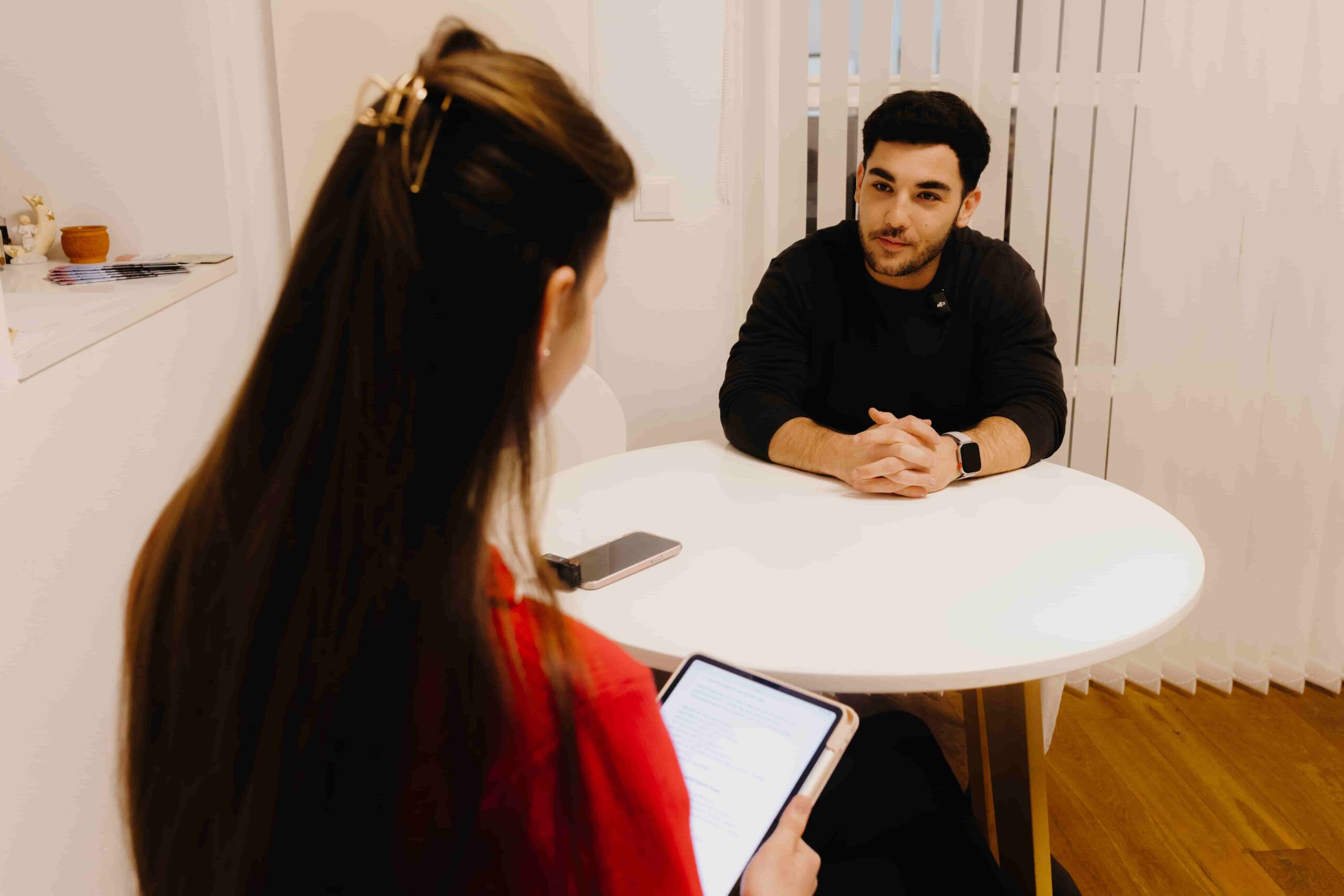
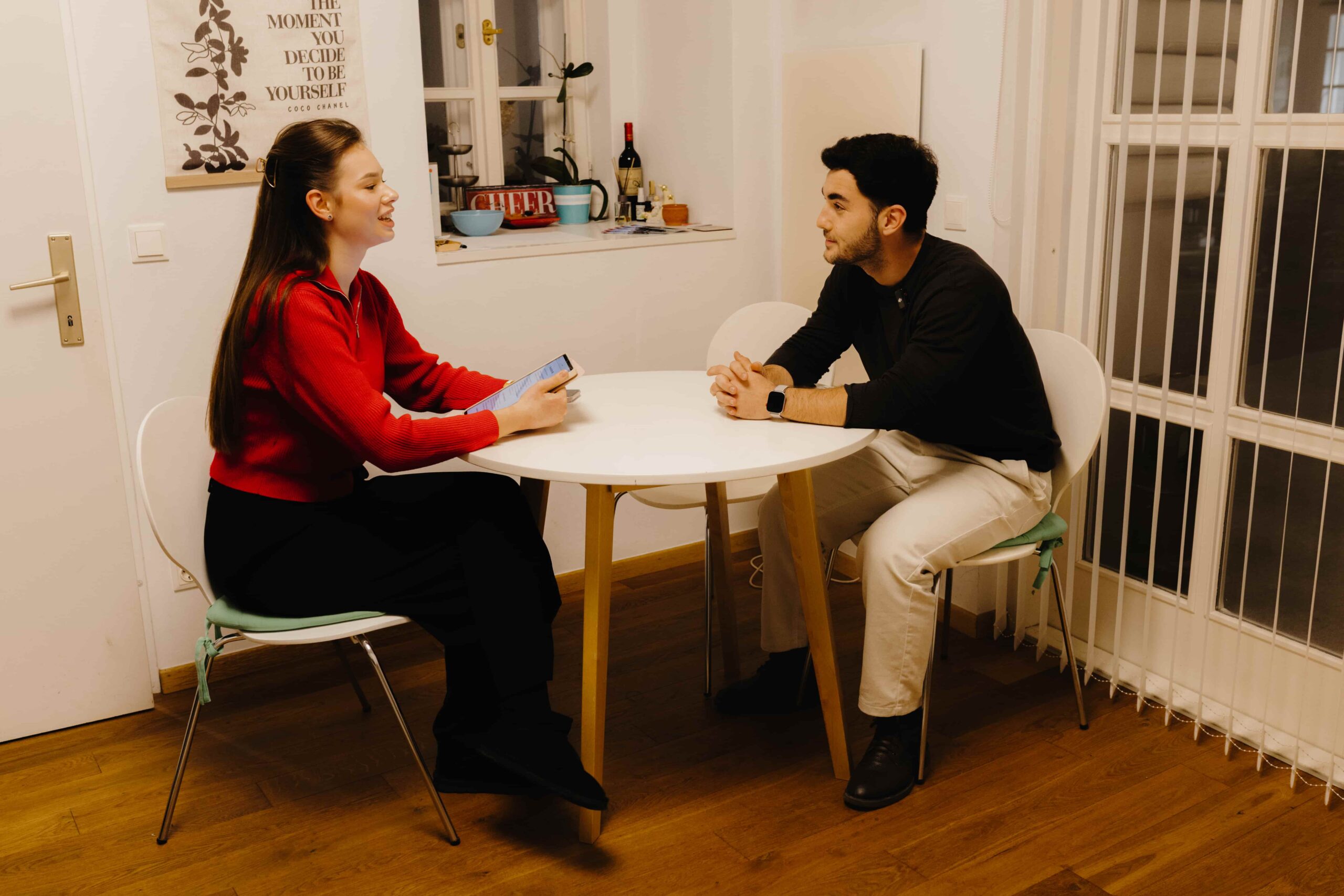
In this interview, Antonio shares his honest experience of learning German while working in Vienna: the difficulties he faced at the beginning, how the Austrian dialect affected his learning process, and why small-group German courses at Ikarus helped him gain more confidence and speaking practice. His story reflects the reality of many professionals who want to grow their careers and fully integrate into life in Vienna.
My name is Antonio and I’m from Spain. I studied marketing back home, and today I work in digital sales in the e-commerce field. In my free time I’m really into sports — I do a bit of everything, but especially padel (padel tennis) and also classic tennis. I’d describe myself as optimistic at work, and in my personal life — especially with my family — I’m very kind and friendly.
Since I moved here, one of my favorite places in the city has become the Prater, because it’s a huge park and I usually go there every weekend.
Work brought me to Austria. At first, I didn’t move directly to Vienna — I moved to Linz, because I had a very good opportunity there to develop my career. It was a good step professionally, but after some time I realized I wasn’t completely satisfied with life in Linz. So I decided to move to Vienna. I’ve been in Vienna for around four to five months now — actually, it’s already five months. And what I especially enjoy here is the social life. That’s a big part of what makes living here feel good for me.
That’s a good question, because I can’t say exactly where I will be or what everything will look like in five years. But I can imagine staying in Vienna. When I came here with my girlfriend, I was super happy, and we’re both very satisfied with our jobs and our social life here. So the idea is: we stay, we continue to build our lives here, and we try and see if we want to start a family. Then, in a few years, we can see how it goes. And if at some point we feel we need to be closer to our family, then maybe we would have to go back to Spain. So for me it’s open — but Vienna is definitely a place where I could see my future, depending on how life develops. That’s why I started a German course for professionals in Vienna, which was a B2.1 and B2.2 course.
The hardest part in the beginning was understanding German here in Austria — especially at the start when I arrived in Linz and then in Vienna. I actually had German classes for work when I was younger, and I remember that I had a very good level back then. But when I came here, it was suddenly super difficult for me to understand people. Hochdeutsch felt completely different in real life compared to what I remembered, and I didn’t have an easy time at first. And on top of that, the Austrian dialect was especially difficult for me. So the biggest challenge wasn’t motivation — it was really the listening and understanding, because the German I heard every day here felt very different.
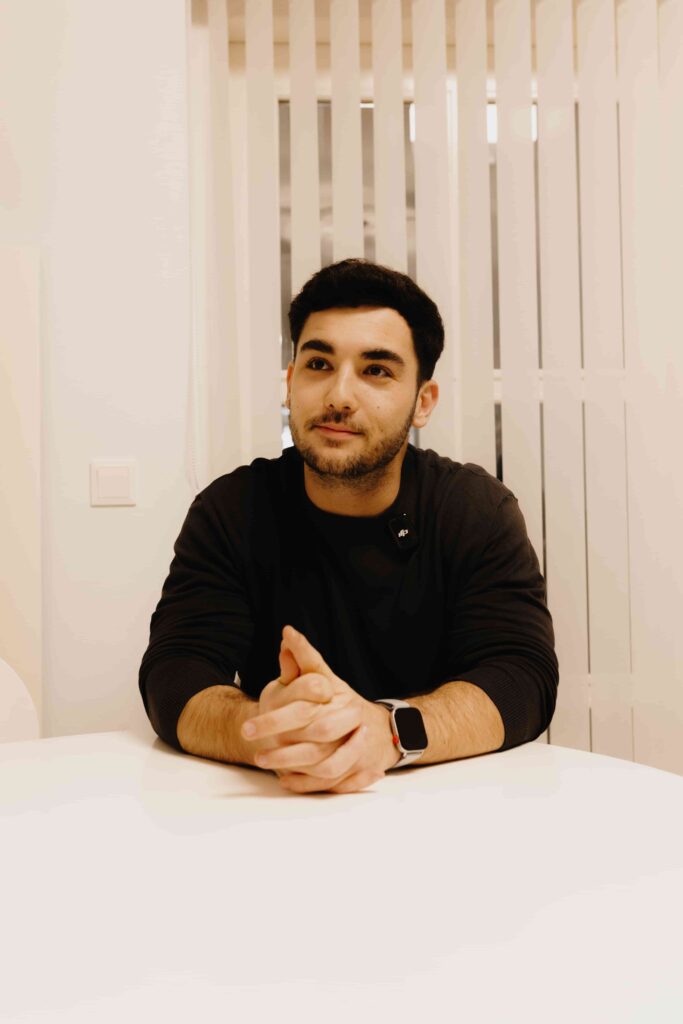
Before I started, I already knew the academy had a good reputation because I looked it up online and it had very good reviews. And after joining, I can honestly say the academy is really very good. For me it changed something, because it gave me the chance to speak a lot of German. Normally, in many courses, you learn a lot of grammar or vocabulary, but you don’t always get enough speaking time. Here, because we are only two or three people per class, speaking becomes a big part of the experience — and that was super important for me. So my feeling changed in the sense that German started to feel more ‘usable’ for me, because I could practice it actively and speak much more.
What I like most about the course is the small number of people in the class. For me, that’s the key point. When you have only two or three students, you automatically get much more time to speak, and you can participate constantly. That makes the course feel very practical. It also helps if you’re not very confident, because it’s easier to speak and improve when the group is small. And personally, that structure is what helped me the most — the feeling that the class is focused and you really get to practice.
For me, Ikarus is different because it’s not just a standard course where you only go through grammar and vocabulary — it’s a course where you actually get the chance to speak. The small class size is a huge difference, because being only two or three people makes it much more personal and effective. I also think the price is very good, and that matters — especially for young people. And another thing I noticed when I searched online is that the information was very clear. There are other academies that don’t provide that much information, but here everything can be found online, and that makes it much easier to choose — again, especially for young people.
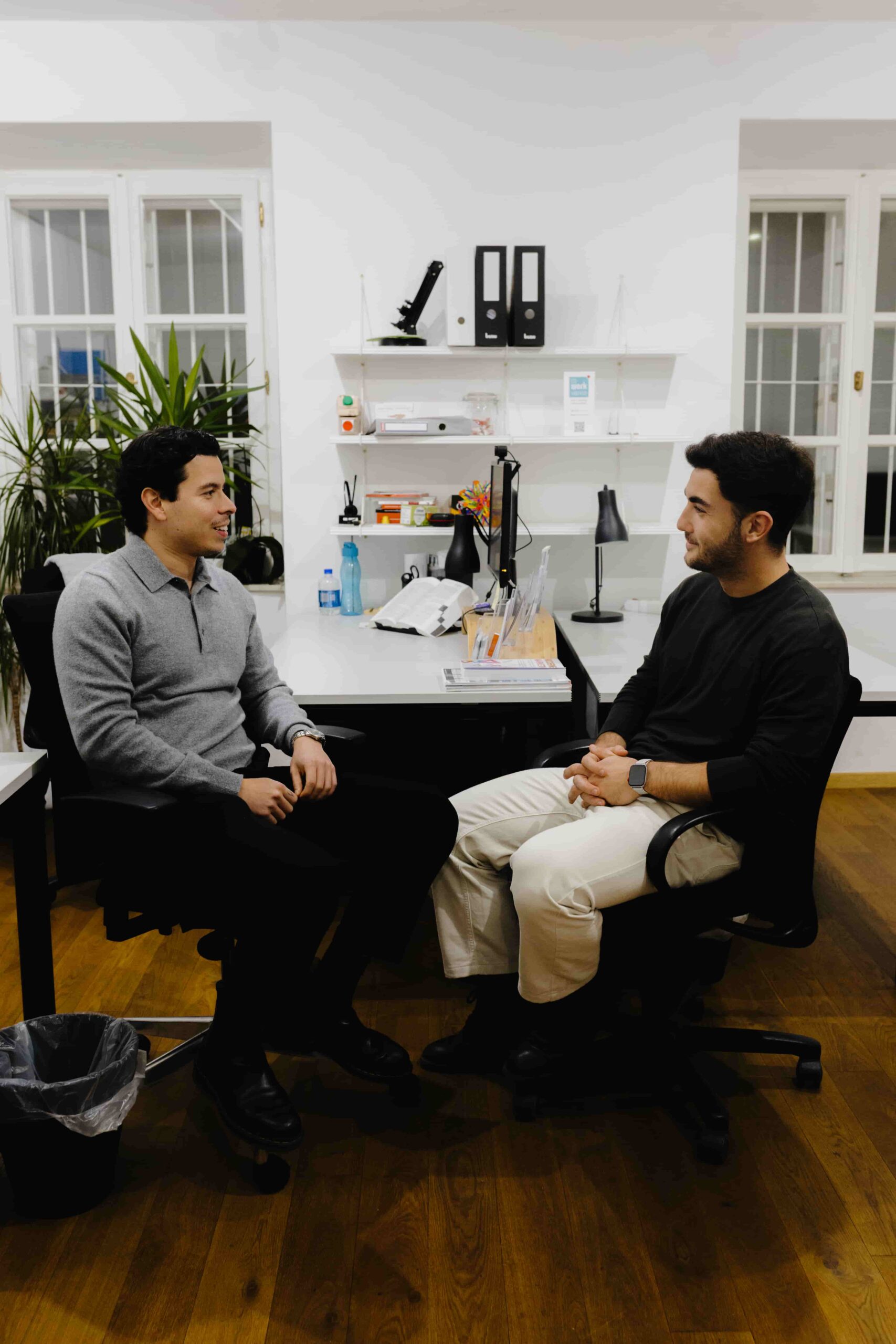
For me, one of the nicest memories from class is that I made new friends. That’s something really nice, because when you move to a new place, building a social life matters a lot. And a language course can sometimes be just studying — but here, I personally felt that I also connected with people. So my nice memory isn’t one single joke, but more the overall experience of meeting new people and creating friendships through the class
My advice would be: study a lot at home as well. The course helps a lot, but you really have to do work outside of class too. If you want to improve, you need that extra practice. And in general, I’m very motivated to always learn new things. I also believe that as foreigners, we should always improve our German. It’s difficult, yes — but I don’t really like it when people live here for five years and still don’t speak German. So I would say: take it seriously, keep learning, and do the work consistently — including at home.
Learning German for work in Vienna is not just about grammar or vocabulary — it’s about feeling confident, being understood, and growing professionally. Antonio’s experience shows how important speaking practice, small groups, and a supportive learning environment can be when you are working and living in Austria.
If you are a professional living in Vienna and want to improve your German for work, integration, and everyday communication, small-group German courses can make a real difference. At Ikarus, we focus on practical language use, confidence, and real-life communication — just like in Antonio’s story.
Group courses in Vienna with maximal 4 students
Private training with a experienced Germanist teacher
Private preparation course for EPD, ÖSD & ÖIF certificate A1/A2/B1/B2/C1
Learning German for work in Vienna is one of the biggest challenges for international professionals who want to integrate and
Maria is a nurse from Chile who moved to Vienna seven months ago with a Working Holiday Visa. While working
Dear Student, First of all, thank you for choosing Ikarus to start your German journey. From the very beginning, my